In a savory collaboration, I teamed up with Tillamook Creamery to roll out a campaign to promote their newest product: Cheeseboards. Photography and logo/color story assets were provided by Tillamook. I rolled out signage promoting the products for their Creamery in Oregon, as well as designed a fancy box with goodies to send Cheeseboards to their “Team Tillamook” base.
Print Design
Packaging Design
Signage Design
Retail Display Design
Say hi to Nester, a magazine I art directed in collaboration with Willamette Week! This publication gives readers a peek inside five Portland homes, shopping and styling tips as well as resources for everything home design. My role was to develop the whole look and feel of the publication as well as art direct photoshoots.
Edited by Emily Grosvenor, published by Anna Zusman. Photography by Jordan Hundelt.
Look down! The streets of downtown Portland are awash with these colorful clings I designed in a special partnership between Travel Portland and the City of Portland. They are designed to direct pedestrians to explore what’s around them via Travel Portland’s new app called Near Me Now. Find curated choices for food, beverages, attractions, shopping, murals and more.
Logo
Wayfinding
Branding
The College Gun Safety Index was conceptualized by Everytown as a way to evaluate colleges and universities based on eight components of gun safety. A user could search the index by map or list view, breakdown the components of the grade, as well as compare schools. This important evaluation tool unfortunately was put on hold because funding fell through. I hope it can be revived in the future! Copy support by Mandi Middlestetter.
UX/UI Design
Illustration
Branding
Web Design
Visual Design
With the team at Brink Communications, I was honored to work as Art Director/Senior Designer on a multilingual campaign for the Oregon Health Authority to promote safe habits during COVID in 2020 and then to support vaccination through 2023. This long-running campaign included many elements such as campaign branding, billboards, transit ads, print ads and more. My role was to work closely with the creative team to concept and execute final art and template sets. Art Directing a photoshoot with strict pandemic safety measures in place, while still capturing loving, emotional moments through face masks was no small feat! As this project wrapped up in 2023, we learned our campaign was one of the top-performing public health campaigns across the nation.
Across 3 years, I worked with a variety of great folks, like Creative Directors: Leighann Franson, Audrey Desler, Alex Jackson; Copywriters: Kenya Lewis, Joon Chattigre; Strategists: Marian Hammond, Cody Romero, Tracy Nguyen-Chung; photographers: Justin Katigbak, Celeste Noche.
Art Direction
Out of Home Advertising
Print Design
The team at REAP (The Religious Exemption Accountability Project) is united in their support of LGBTQ students who have suffered discrimination at publicly funded religious colleges and universities. I designed the REAP logo, website, and other assets to create a dynamic brand that highlights the stories of these students.
Logo Design
Brand Design
UX Design
Website Design (Wix Customization)
Exploratory concept work for Tillamook ice cream signage. Promoting a product as beloved as ice cream with a trusted brand like Tillamook was a treat! Creative Direction by Figure 8 Creative.
Mt. Hood Territory launched an Explorer Trail series to promote various points of interest that showcase the history and bounty of the Pacific Northwest. I designed four graphics to serve as visual indicators of these points of interest, and to connect them all under the Mt. Hood Territory brand.
Illustration
Logo Design
Summer sunsets, ice cream cones and state fair booths are the influences behind the design of the Oregon Summer magazine I designed and art directed for Willamette Week. The challenge was to create a unique, fun, inviting design for this yearly publication that was back into production after a COVID hiatus. The design is light and cheerful to celebrate coming out of a pandemic period. Thanks to publisher Anna Zusman, editor Andi Prewitt and cover photographer Christine Dong.
Art Direction
Editorial Design
Photo Direction / Curation
In 2019 I traveled to the Mayan Highlands region of Guatemala to work with an association of local coffee producers to create branding and packaging design for new coffee and honey products. This project was a volunteer assignment with USAID’s Partners of the Americas programs. The goal was to prep these products for sale in Guatemala, and eventually a US market (for some of the products). I traveled into the mountains to meet the farmers firsthand to learn about their culture, to be inspired by the colors, flora and symbolism of their rich textile designs. Read about full experience.
Packaging Design
Branding
"Bust a Bucket" was designed as a part of the Portland Trail Blazers' Gameday Poster Series for the 2017-2018 season. Posters were printed and sold as a fundraiser for the Blazer Foundation. “Bust a Bucket” was featured in the New York Times sports section in December of 2018 as a part of a story about the Gameday Poster Series!
Poster Design
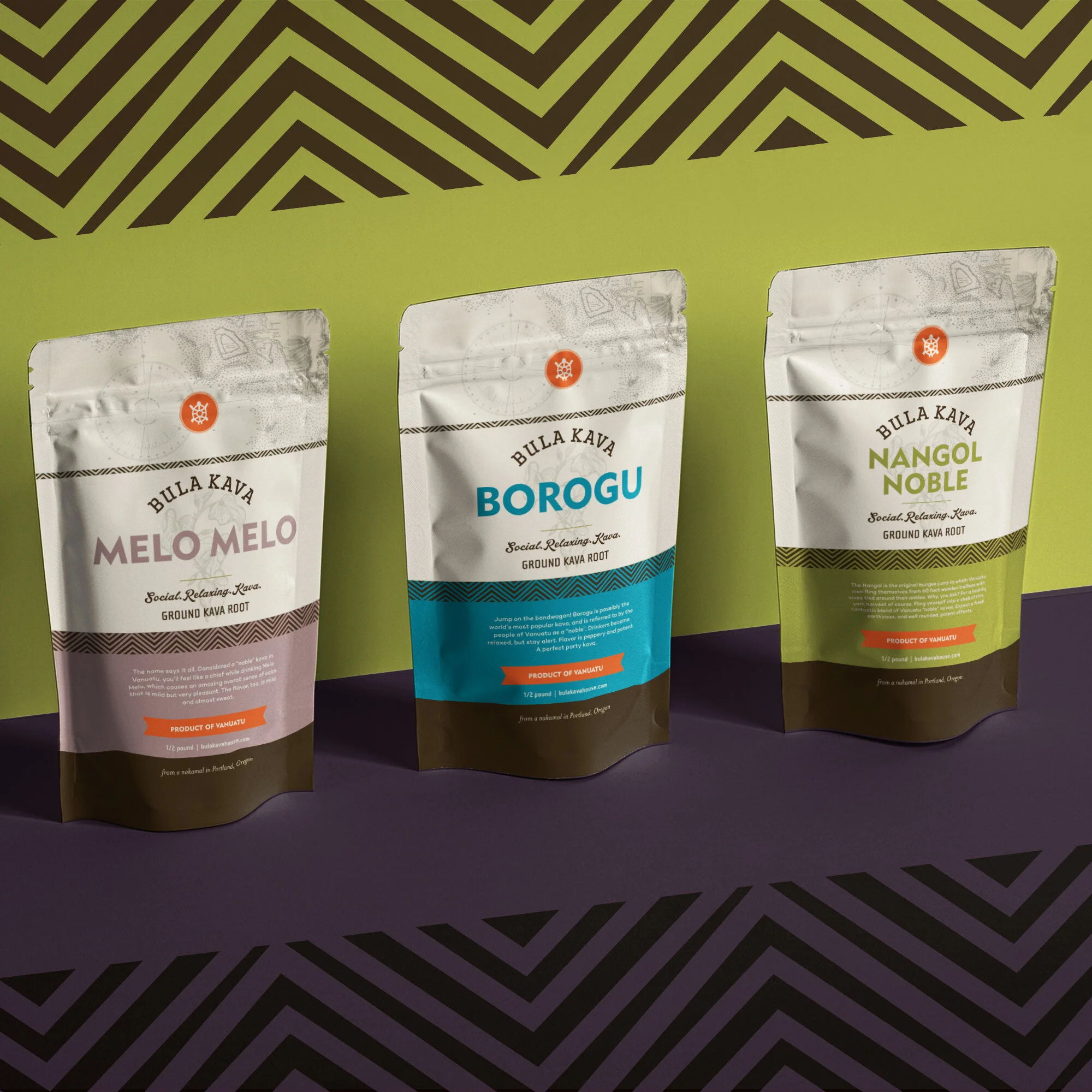
Branding, packaging design and advertising for a small kava and juice shop in Portland, Oregon, with “roots” in the South Pacific.
Branding
Copywriting
Package Design
Advertising
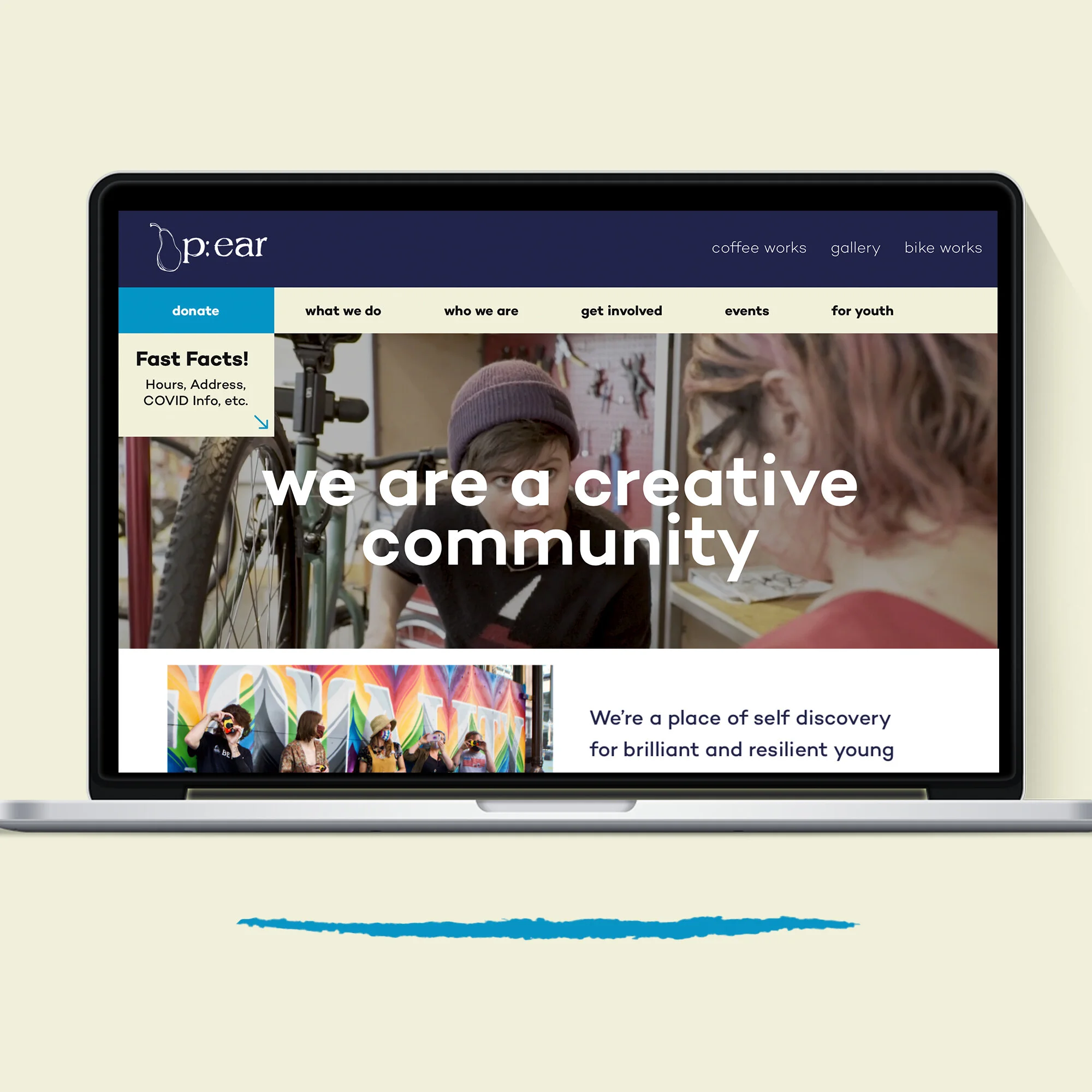
As part of my 13-year partnership with p:ear, I have redesigned their website three times! Each time we evaluate their audience, communication goals, and figure out a new way for users to be inspired to get involved with this very important nonprofit serving homeless youth. I donated my time to design this most recent iteration and teamed up with Ian Whitmore for the development.
Website Design
UX Design
Wireframes
With the team at Brink Communications, I was honored to work on a very important campaign for the Oregon Health Authority to promote safe habits during COVID and support vaccination. This long-running campaign included many elements such as campaign branding, website design, digital ads, social advertising and more. My role as Senior Designer/Art Director was to work closely with the creative team to concept and execute final art and template sets. As this project wrapped up in 2023, we learned our campaign was one of the top-performing public health campaigns across the nation.
Creative team across multiple years: Photography by Celeste Noche, Tracy Nguyen-Chung and Justin Katigbak. Creative direction by Leighann Franson, Audrey Desler and Alex Jackson. Copywriting by Kenya Lewis and Joon Chattigre. Strategy by Marion Hammond and Cody Romero.
My role:
Art Direction
Digital Advertising
Web Design
Everytown for Gun Safety has taken on the daunting task of calculating and presenting gun data through Everystat.org. Working with them, my challenge was to create downloadable PDFS for an at-a-glance review of data by state. This required deep coordination with the Everystat team to understand how the data in Excel was formatted and presented, crafting themed Excel styles for the charts and graphs, and setting up a complicated mail merge document in InDesign to populate data based on the tags. And of course to come up with a workable design template that clearly communicated the stats! These are the design options I presented, and the final client selection is the last one. This project was difficult but it was rewarding in the end to have a system that can be used as a template for future updates!
Page Design
Infographics
Yogi Super Foods makes high quality food products in Guatemala and they were seeking to launch a website to expand to a US market. As a volunteer with USAID, I worked with the Guatemalan team to expand the brand I created for their food packaging and create UX and visual design for the website. The dev team at Monumental, built out this Shopify theme that allows the client to update easily and process orders. View other branding work for this client.
Website Design
UX Design
Brand Design
Portland Design History is a curated showcase of the people, brands and organizations in Portland’s design scene with a focus on the ’60s & ’70s. I founded the project in 2014, and since then I have worked independently and with PSU students to conduct over a dozen interviews about designers who were prominent in the era. The project now has 12 biographies written, as well as many more visual collections. Biographies written by my PSU students feature in this publication titled, Original. I designed the full website as a Wix Custom Template.
Project Founder
Magazine Design
Website Design
Wix Customization
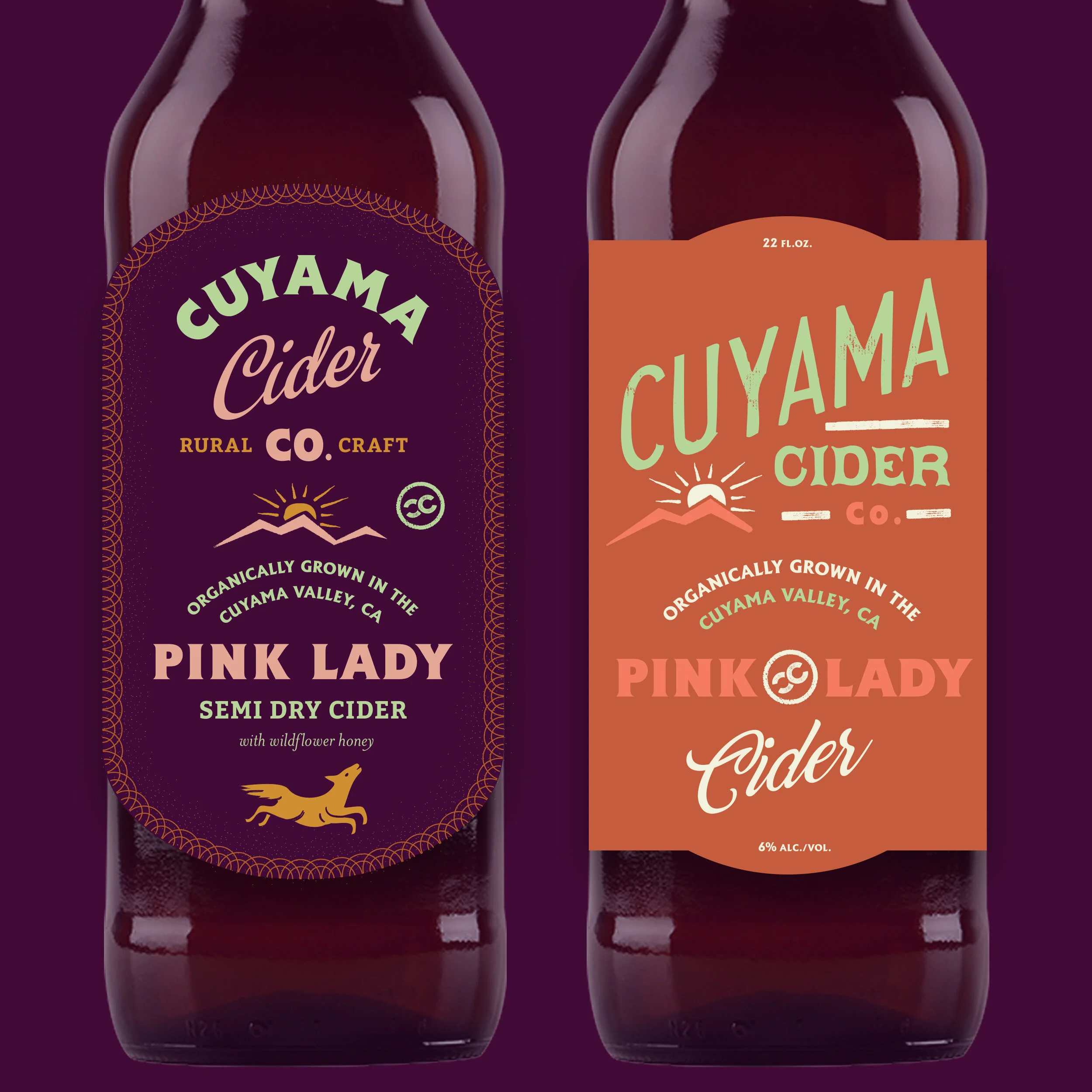
Meet Carrizo, the introductory cider of the Cuyama Cider Company, and the result of a partnership between Blue Sky Center and a Santa Barbara cider maker. Blue Sky hired me to create a brand from scratch to promote the launch of their first product in support of the rural economy in Cuyama Valley, California.
Logo Design
Packaging Design
Web Design
Squarespace Customization
Design of Columbia Land Trust’s quarterly publication, Fieldbook, which highlights Pacific Northwest conservation and restoration projects.
Editorial Illustration
Publication Design
Development and update of the Cycle Oregon brand guidelines including application examples. Creative Direction by Scout Co.
Design
Design and branding of the DC Healthy People annual report for the Washington DC Department of Health with Eighty2degrees.
Publication Design
Branding
Branding and website design for a startup that seeks to become a hub of information and action items around feminists issues.
Logo Design
Website Design
Social Media Templates
A collection of logo options designed for various clients.
Identity Design
Naming
As a volunteer designer, I have crafted themed event branding for a nonprofit, p:ear, who works to creatively mentor homeless youth. Event branding is a fun challenge in that it requires thinking about the whole experience including signage, programs, slides and decor.
2020 Graphics: COVID caused the annual gala event to go online, so more effort was put into the digital branding.
Branding
Facebook Frame
Zoom Background
Social Media Design
Print Design
2019 Graphics: Victorian era graphics and Pacific Northwest flora were the inspiration behind this year’s branding for a gala event in support of p:ear’s work with homeless youth.
Branding
Print Design
Social Media Design
Website redesign and other brand assets for Zue Beauty, a Colombian skin care product line that pays South American farmers a fair wage for their tropical, organic, vegan ingredients. Colors, fonts, logo and some other elements were existing but not being utilized in the website. This project was completed as a part of a USAID Partners of the Americas volunteer assignment and was a collaborative effort with the in house team of Juan Pelaez and Sebastián Terán.
Read about the full experience.
Branding
Copywriting
Creative Direction
Interactive Design
Social Media Graphics
Living in Oregon, it was inevitable that eventually I would be paid to illustrate a cannabis leaf! These infographics accompanied a presentation to support the Oregon Liquor Control Commission's approach to regulating cannabis and illustrates learnings for a federal decriminalization of the drug. I teamed up with the folks at Metropolitan Group for this project.
Illustration
Infographics
Design of a 24 panel exhibit for the University of Washington and Historical Research Associates in celebration of the 100 year anniversary of the School of Nursing. Created UX wireframes and prototypes for the UW School of Nursing 100 years microsite.
Exhibit Design
UX Design, Web
On a volunteer assignment with USAID, Partners of the Americas, I traveled to Guatemala to rebrand a "super food” product company and design templates for their line of chocolates, butters, drinks and snacks. This work is the result of a two week project in Antigua. Read full account of my volunteer trip.
Branding
Packaging Design
Illustrations in various styles for various clients.
See full set of Cannabis Regulation illustrations here.
See full set of Within 1 Mile illustrations.
See full set of Twelve Days of Christmas: Trumpified
Annual Reports for environmental organizations have the added benefit of coming with a library of spectacular photography highlighting the best of the Pacific Northwest. These annual reports are for the Columbia Land Trust and the Coalition of Oregon Land Trusts.
Print Design
Map Design
Over the years, I have teamed up with the Architectural Heritage Center to brand their yearly exhibition and design interpretive panels for their museum space. These pieces showcase the design for the exhibits of Portland architect, Will Martin, and prolific photographer, Minor White.
Exhibit Design
Branding
Branding and advertising for a high-end design, restore, remodel firm.
Advertising
Brand Guidelines
Branding
Collateral Materials
Identity Design
Signage
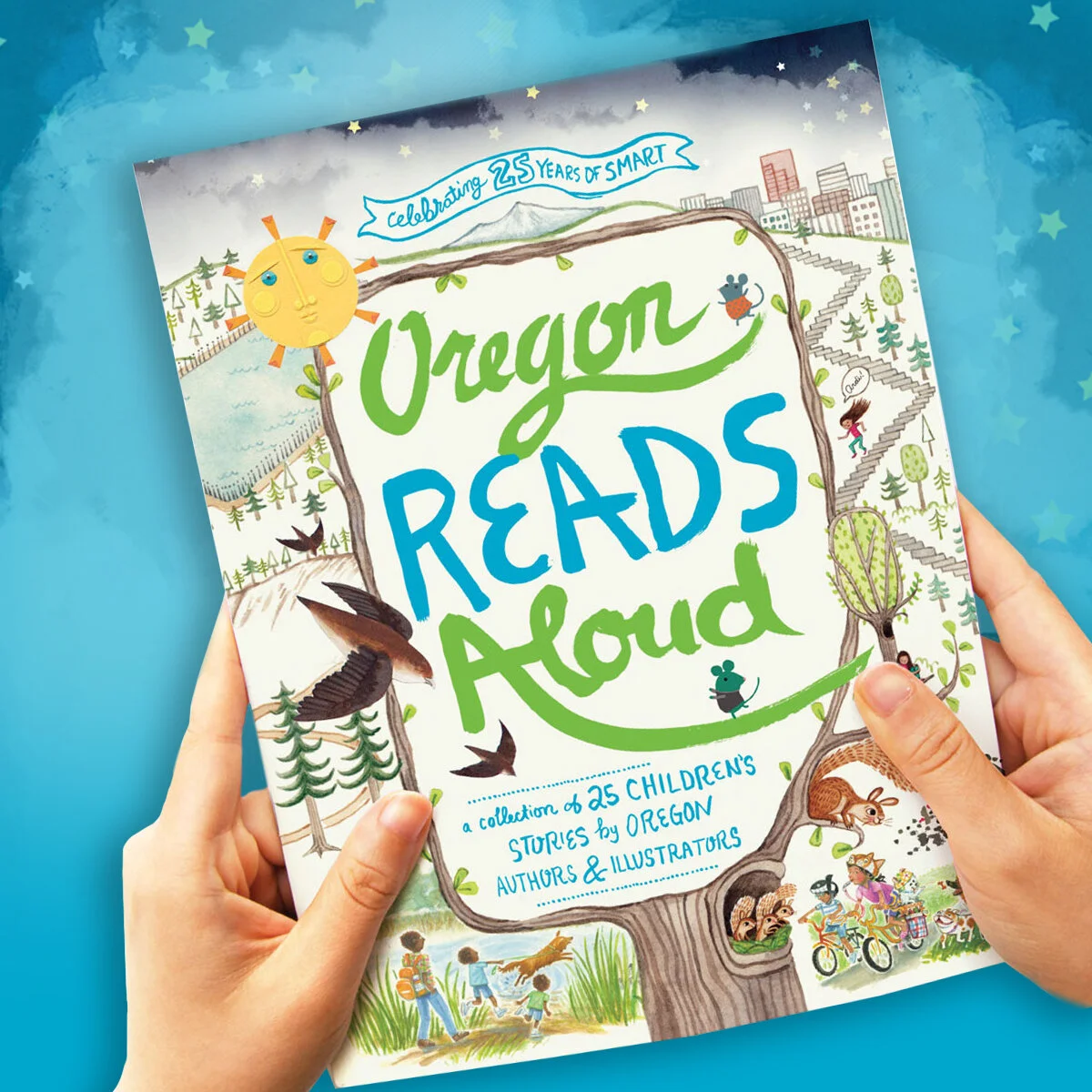
SMART (Start Making a Reader Today) reached out to me to create a fully illustrated children’s book in honor of their 25th anniversary. The book featured the work of 50 Oregon authors and illustrators.
Illustrations in spreads shown here by Abigail Marble, Brian Parker, Carolyn Garcia, Zoey Wagner.
Book Design
Creative Direction
On a volunteer assignment with USAID, Partners of the Americas, I traveled to Haiti to design labels for two agricultural association’s product lines. This work is the result of a week long project in Port-au-Prince working with an organization called Anatraf. Labels are in Creole, French and English. Read full account of my volunteer trip.
View other design work from Haiti trip.
Branding
Packaging Design
Business card and letterhead packages for a variety of clients.
Branding, Print Design
The San Francisco-based organization, Witness to Guantanamo, conducted hundreds of interviews with detainees, guards, lawyers and lawmakers in regards to America’s notorious military prison. I worked with their team to design a logo, website and a suite of digital branding assets for social campaigns.
Branding
Interactive Design
Mobile Design
Social Media Campaign Design
Wireframing/UX Design
Design of a book celebrating the 50th anniversary of Outside In, a nonprofit organization offering health services, job training and housing for homeless youth and low income people in Portland. Published August 2018.
Book Design
Illustration
Within 1 Mile is an occasional walk and draw project that allows me to explore small and large details of my North Portland Overlook neighborhood.
Illustration
As a part of the AIGA Portland's Design for Good Committee, I led and creative directed a collaborative project with The Right Brain Initiative. The result of our three year partnership is Brain Food, an exploratory activity deck for kids.
The project involved collecting and curating content, putting together an exhibit at Museum of Contemporary Craft (now defunct), managing volunteer illustrators, designing the deck, running a Kickstarter campaign, collating hundreds of decks and finally delivering them to schools!
Brain Food is a tool to help teachers and parents ignite creative thinking. It challenges young minds to be curious, to dig deeply into subjects like visual art, performance, and design right alongside math, science, and social studies.
Design
Creative Direction
Illustrations by various local illustrators
A Trumpian look at a holiday favorite, just in time for your family sing-a-long. Sung to the tune of Twelve Days of Christmas. View caroling sheets, and poster downloads.
Writing
Illustration
Top: Established branding and templates for the Roots of Wisdom exhibit at the Oregon Museum of Science and Industry exploring the intersection of native wisdom and modern science.
Exhibit Design
Branding
Bottom: Full branding and exhibit panel design of renewable energy pod for the Oregon Museum of Science and Industry. Established look & feel, textures, color palette, and set type in two languages.
Exhibit Design
Branding